Philae Temple
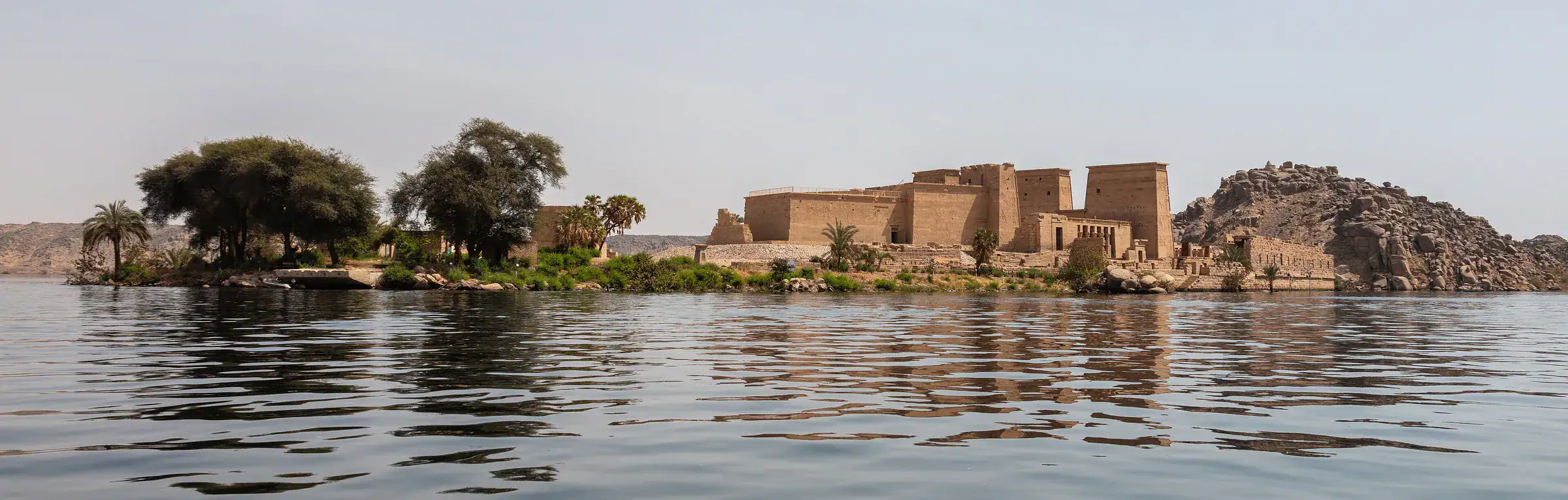
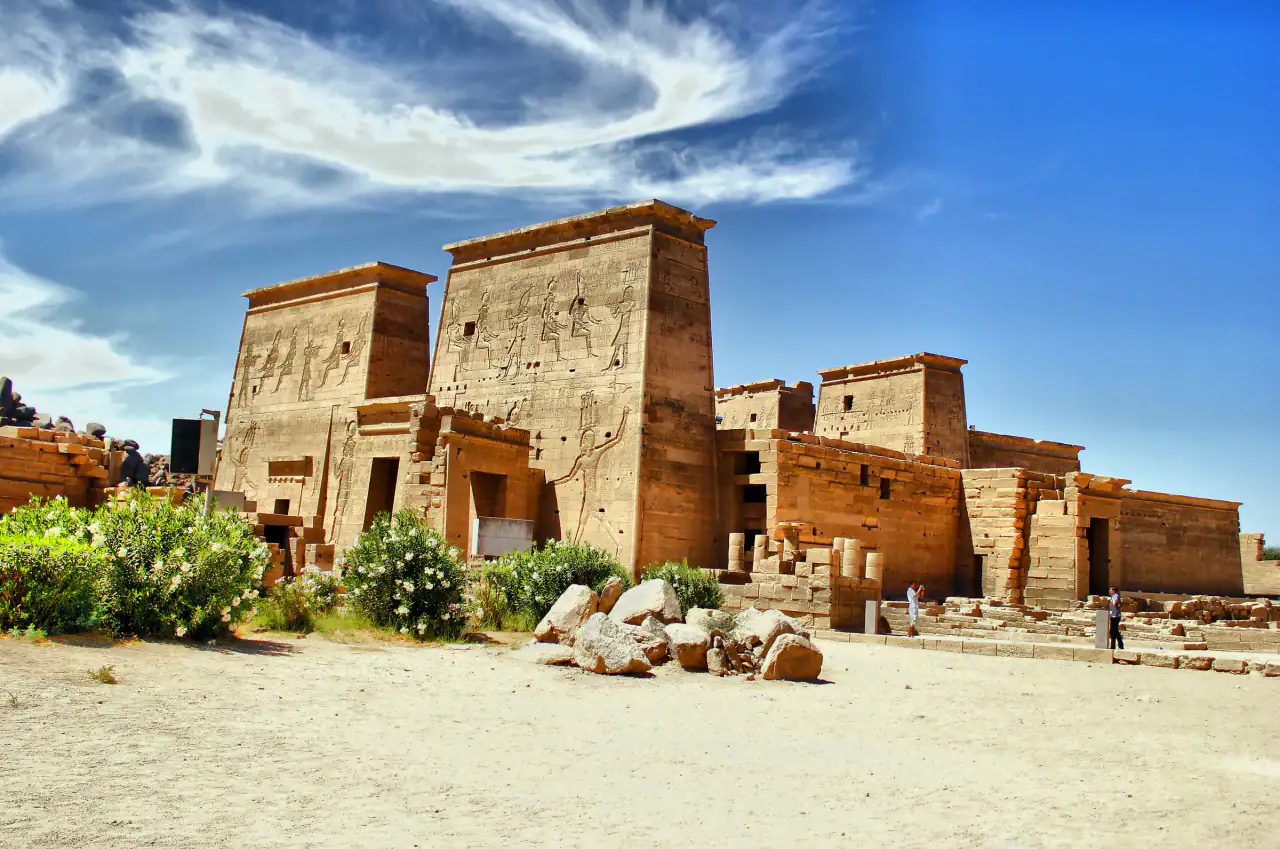
Philae is the temple of Isis, moved to Agilkia Island in the 1970s to save it from the rising water of the Nile. It is reached by boat, and its colonnades and pylons stand close to the water.
The last home of the old gods
The island was a great center of the cult of Isis, and most of what stands today dates from the Ptolemaic and Roman periods. Worship of the ancient gods continued here long after it had faded elsewhere. The last known inscription in hieroglyphs was carved at Philae in 394 CE, and the temple was closed under the emperor Justinian in the sixth century.
A temple lifted out of the water
After the first Aswan Dam was built in the early twentieth century, Philae spent much of each year partly under water. The High Dam would have threatened it for good. An international rescue led by UNESCO took the temple apart stone by stone and rebuilt it on nearby Agilkia Island, which was landscaped to resemble the original.
Isis outlasted the other gods of Egypt here, and when the water rose, her temple was carried to safety stone by stone.
The Kiosk of Trajan
Among the best-known buildings on the island is the Kiosk of Trajan, an open pavilion of the Roman period beside the water. Reliefs throughout the temple tell of Isis, her husband Osiris and their son Horus.
- Dedicated to
- Isis
- Now on
- Agilkia Island
- Period
- Ptolemaic, Roman
- World Heritage
- Since 1979
Visit on these journeys
Offered as an optional excursion on day 4, together with the High Dam.